
Exploring the Anatomy of the Human Heart Structure
- Feb 9
- 4 min read
Updated: May 22
The human heart is a remarkable organ that plays a vital role in sustaining life. It functions as a powerful pump, circulating blood throughout the body to deliver oxygen and nutrients to tissues and remove waste products. Understanding the human heart structure is essential for appreciating how this organ works and recognizing the importance of maintaining heart health. This article will take you on a detailed journey through the heart's anatomy, its chambers, valves, and the pathways that keep blood flowing efficiently.
Understanding the Human Heart Structure
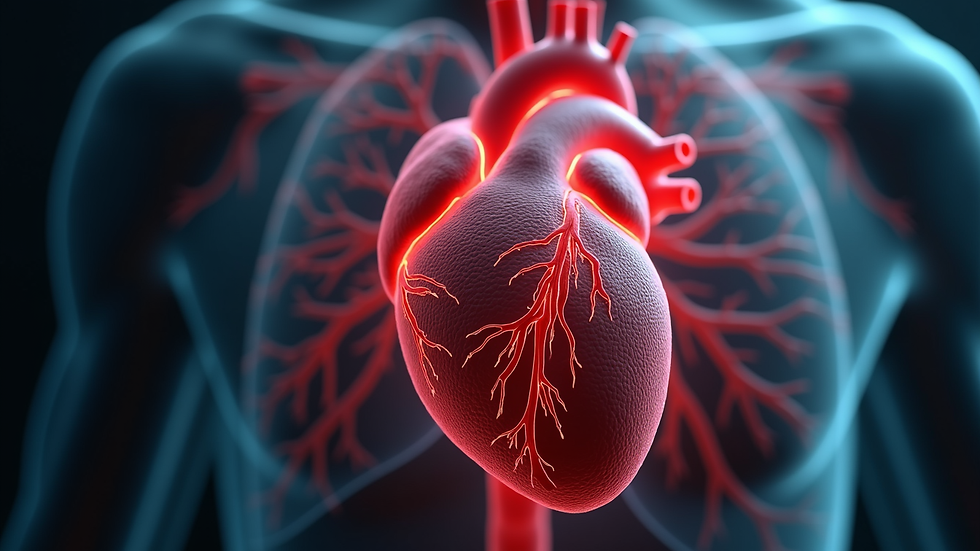
The human heart is roughly the size of a fist and is located in the chest cavity, slightly to the left of the center. It is composed of four main chambers: two atria and two ventricles. The atria are the upper chambers that receive blood, while the ventricles are the lower chambers responsible for pumping blood out of the heart.
Right Atrium: Receives deoxygenated blood from the body through the superior and inferior vena cava.
Right Ventricle: Pumps this deoxygenated blood to the lungs via the pulmonary artery for oxygenation.
Left Atrium: Receives oxygen-rich blood from the lungs through the pulmonary veins.
Left Ventricle: Pumps oxygenated blood to the entire body through the aorta.
The walls of the left ventricle are thicker than those of the right ventricle because it needs to generate more force to pump blood throughout the body. The heart is enclosed in a protective sac called the pericardium, which contains fluid to reduce friction during heartbeats.
The Valves That Keep Blood Flowing
The heart contains four main valves that ensure blood flows in one direction and prevent backflow. These valves open and close with each heartbeat, coordinating the flow between chambers and major arteries.
Tricuspid Valve: Located between the right atrium and right ventricle.
Pulmonary Valve: Between the right ventricle and pulmonary artery.
Mitral Valve: Between the left atrium and left ventricle.
Aortic Valve: Between the left ventricle and the aorta.
Each valve is made of flaps called leaflets or cusps that open to allow blood to pass and close tightly to prevent it from flowing backward. Proper valve function is crucial for efficient circulation and maintaining blood pressure.
Where do you usually feel heart pain?
Heart pain, often described as angina, can manifest in various areas of the body. It is important to recognize these sensations as they may indicate underlying heart problems.
Chest: The most common location, often felt as pressure, tightness, or squeezing.
Left Arm: Pain or discomfort may radiate down the left arm.
Neck and Jaw: Some people experience pain or tightness in these areas.
Back and Shoulders: Less commonly, pain can spread to the upper back or shoulders.
Shortness of Breath: Accompanying pain, difficulty breathing can signal heart distress.
If you experience persistent or severe heart pain, it is critical to seek medical attention immediately. Understanding where heart pain typically occurs can help in early detection and treatment of heart conditions.
The Electrical System of the Heart
The heart's ability to beat rhythmically is controlled by its electrical system. This system generates and transmits electrical impulses that cause the heart muscles to contract and pump blood.
Sinoatrial (SA) Node: Known as the heart's natural pacemaker, it initiates the electrical impulse.
Atrioventricular (AV) Node: Receives the impulse from the SA node and delays it slightly to allow the atria to contract before the ventricles.
Bundle of His and Purkinje Fibers: Conduct the impulse rapidly through the ventricles, causing them to contract.
This electrical conduction system ensures the heart beats in a coordinated and efficient manner. Disruptions in this system can lead to arrhythmias, which may require medical intervention.

The Importance of Understanding Heart Anatomy
Having a clear understanding of heart anatomy is not only fascinating but also practical. It helps individuals recognize symptoms of heart disease, understand medical procedures, and make informed decisions about their health.
Preventive Care: Knowing how the heart works encourages healthy lifestyle choices such as regular exercise, balanced diet, and avoiding smoking.
Early Detection: Awareness of symptoms like chest pain or irregular heartbeat can prompt timely medical evaluation.
Treatment Understanding: Patients can better comprehend treatments like valve repair, bypass surgery, or pacemaker implantation.
By appreciating the complexity and function of the heart, people can take proactive steps to maintain cardiovascular health and improve their quality of life.
Maintaining a Healthy Heart
To keep your heart functioning optimally, consider these actionable recommendations:
Exercise Regularly: Aim for at least 150 minutes of moderate aerobic activity per week.
Eat Heart-Healthy Foods: Focus on fruits, vegetables, whole grains, lean proteins, and healthy fats.
Manage Stress: Practice relaxation techniques such as meditation or yoga.
Avoid Tobacco: Smoking significantly increases the risk of heart disease.
Monitor Blood Pressure and Cholesterol: Regular check-ups can help detect and manage risk factors early.
Taking these steps can reduce the risk of heart disease and promote long-term heart health.
Exploring the human heart structure reveals the incredible design and function of this vital organ. From its chambers and valves to its electrical system, the heart works tirelessly to sustain life. Understanding its anatomy empowers you to recognize symptoms, appreciate medical care, and adopt habits that support a healthy heart for years to come.
Comments