
Self-Empowerment and Its Role in Nursing
- Jul 13, 2025
- 2 min read
1. Meaning of Self-Empowerment
Self-empowerment refers to the process of becoming confident, self-aware, and self-reliant, enabling individuals to take control of their own lives and decisions.
It includes developing self-confidence, personal responsibility, and the ability to influence one’s own well-being, both personally and professionally.
Example: A nurse confidently taking initiative in patient care decisions based on knowledge and ethical values.
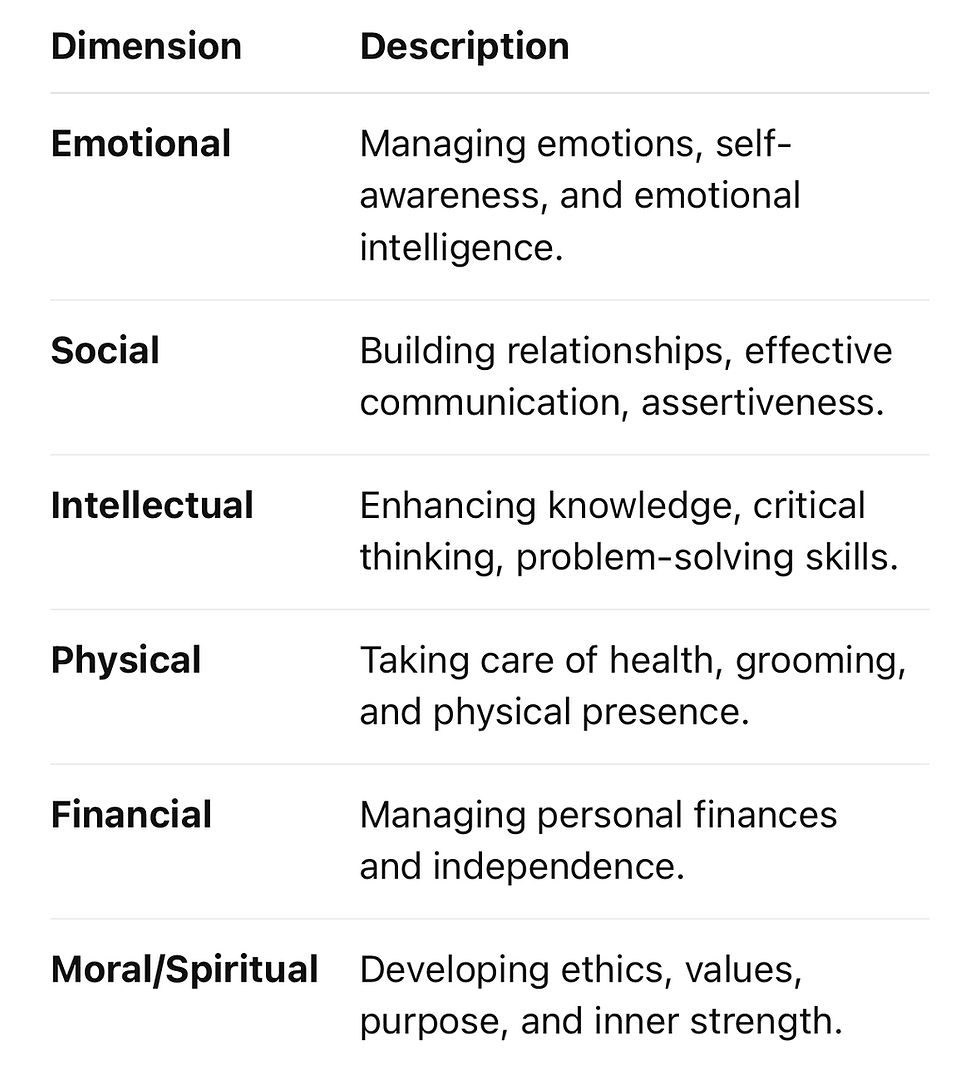
2. Dimensions of Self-Empowerment
Self-empowerment is multi-dimensional, involving several key areas:
3. Self-Empowerment Development
Steps to develop self-empowerment include:
Self-awareness: Understanding strengths, weaknesses, values, and goals.
Positive Thinking: Adopting a constructive mindset to overcome obstacles.
Goal Setting: Creating realistic and measurable personal and professional goals.
Skill Building: Learning communication, time management, and leadership skills.
Taking Responsibility: Being accountable for one’s actions and choices.
Seeking Feedback: Accepting constructive criticism for self-improvement.
Self-care: Maintaining mental and physical health.
4. Importance of Women’s Empowerment in Society
Equality: Ensures equal rights and opportunities for women in all spheres.
Social Progress: Empowers women to contribute to family, health, and economy.
Health Improvement: Educated and empowered women make better health decisions.
Reduction of Gender Discrimination: Promotes respect, dignity, and fairness.
Economic Development: Women’s participation boosts productivity and income.
Leadership: Encourages women to take leadership roles in community and healthcare.
5. Professional Etiquette and Personal Grooming
a)Professional Etiquette
Refers to code of conduct and behavior expected in professional settings.
Punctuality and time management
Respectful communication with patients and team
Confidentiality and ethical behavior
Responsibility and accountability
Appropriate language and tone
b)Personal Grooming
Maintaining cleanliness and appropriate appearance to reflect professionalism.
Neat uniform and personal hygiene
Trimmed nails and tied hair
Minimal or no makeup and accessories
Clean shoes and ID badge
Good grooming enhances confidence, patient trust, and workplace respect.
6. Role of Nurse in Empowering Others
Nurses not only need to be empowered themselves but also help empower patients, families, and communities:
Patient Education: Help patients understand their health conditions and rights.
Health Advocacy: Speak up for patients’ needs and social issues.
Building Confidence: Encourage patients to make informed decisions.
Support Groups: Facilitate access to community resources and support.
Mentoring: Guide junior staff and student nurses.
Gender Equality: Promote equal care and respect for women and marginalized groups.
Leadership and Decision-Making: Inspire others by taking initiative and responsibility.
Conclusion
Self-empowerment is a vital quality in nursing, enabling nurses to deliver compassionate care, make confident decisions, and uplift others. By promoting personal growth, professional ethics, and social equality, nurses can become powerful agents of change in society and healthcare.
Comments